
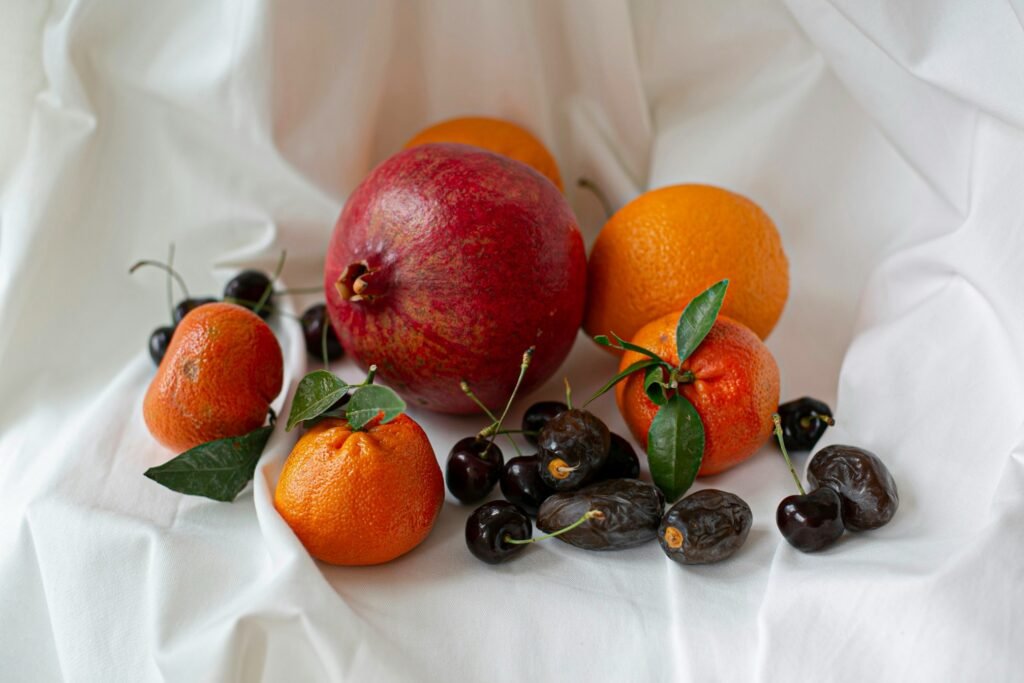
Introduction to Žižole Ižole
Žižole ižole, also known as the Mediterranean jujube, is a fruit that has recently garnered attention due to its unique nutritional profile and culinary versatility. This tropical fruit originates from the Mediterranean region, specifically flourishing in countries such as Italy, Greece, and parts of the Middle East. The scientific classification of žižole places it in the genus Ziziphus, which encompasses several species that are renowned for their medicinal and nutritional properties.
Historically, žižole has been valued for its ability to thrive in arid climates, making it a sustainable fruit choice in regions where water is scarce. This adaptability contributes to its growing popularity as an essential component of healthy diets, especially in the context of modern nutritional trends that emphasize whole foods and natural sources of vitamins and minerals.
The interest surrounding žižole ižole is primarily attributed to the fruit’s impressive nutritional composition. Rich in vitamins, minerals, and antioxidants, žižole offers various health benefits that align with the current pursuit for superfruits in diets aimed at enhancing overall well-being. These include improved digestion, boosted immune function, and enhanced skin health, making it an attractive option for health-conscious consumers.
Furthermore, cultural significance plays a key role in the appeal of žižole. Traditionally, the fruit has been utilized in various culinary dishes across Mediterranean cultures, from desserts to savory meals. Its sweet, tangy flavor profiles not only add taste but also provide an array of culinary applications, allowing chefs and home cooks alike to explore its versatility.
Nutritional Profile of Žižole Ižole
Žižole ižole, often referred to as jujube or red date, stands out not only for its unique flavor but also for its impressive nutritional qualities. This Mediterranean superfruit is rich in essential vitamins and minerals, contributing to its reputation as a healthy addition to the diet. One of the remarkable features of žižole ižole is its high vitamin C content, which plays a crucial role in immune function and skin health.
In addition to vitamin C, žižole ižole is a good source of B vitamins, including riboflavin, niacin, and folate, which are vital for cellular metabolism and energy production. The fruit also contains a range of important minerals such as potassium, magnesium, and calcium, which are essential for maintaining various bodily functions.
Another noteworthy aspect of žižole ižole is its rich antioxidant profile. Phytochemicals present in this superfruit, such as flavonoids and phenolic acids, help combat oxidative stress in the body. This antioxidant activity has been associated with a reduced risk of chronic diseases, including heart disease and certain cancers.
Compared to other well-known superfruits like acai or goji berries, žižole ižole offers a unique blend of nutrients and health benefits. While acai is often praised for its high levels of antioxidants, žižole ižole distinguishes itself with its high fiber content, promoting digestive health and aiding in weight management.
Incorporating žižole ižole into a balanced diet can therefore provide numerous health benefits. Whether consumed fresh, dried, or in juice form, this superfruit not only enhances meals with its natural sweetness but also contributes to overall well-being through its diverse nutritional profile.
Cultural Significance of Žižole Ižole in Mediterranean Communities
Žižole ižole, known for its distinct flavor and nutritional benefits, holds a revered place in the cultural tapestry of Mediterranean communities. Historically, this superfruit has been cultivated in various regions, where it has not only enriched local diets but has also taken on significant cultural roles. In many Mediterranean nations, such as Italy, Greece, and Spain, žižole have been incorporated into traditional dishes, often enjoyed during family gatherings and festive occasions. The cultivation of these fruits is frequently passed down through generations, symbolizing deep-rooted agricultural practices.
In addition to its culinary uses, žižole ižole plays a crucial part in regional festivities and rituals. For instance, the harvest season of this superfruit often coincides with local harvest festivals, where communities come together to celebrate their agricultural heritage. Activities may include communal gatherings featuring traditional music, dancing, and, of course, the sharing of dishes that highlight žižole. This practice not only promotes social bonding but also reinforces the importance of sustainable farming and local biodiversity.
Moreover, the historical significance of žižole extends into folklore and traditional medicine within these communities. Often regarded as a symbol of health and prosperity, the fruit has found its place in various cultural narratives, embodying the essence of resilience and vitality. Its presence in folk remedies speaks to the intimate knowledge communities have garnered about its health benefits over the years, further cementing its role in everyday life.
The integration of žižole ižole into Mediterranean culture exemplifies how a single fruit can sustain traditions, foster community relationships, and symbolize cultural identity. As modern health trends continue to highlight its nutritional profile, the cultural practices surrounding žižole remain an essential aspect of its legacy, ensuring its place in the Mediterranean diet for generations to come.
Culinary Applications of Žižole Ižole
Žižole ižole, known for their unique flavor and impressive nutritional profile, have increasingly found their way into various culinary applications. Traditionally enjoyed in Mediterranean cultures, these small, sweet fruits can be utilized in multiple dishes, ranging from savory to sweet, enhancing both flavor and nutritional value.
One of the most popular ways to enjoy žižole is by incorporating them into salads. Their natural sweetness pairs well with bitter greens, feta cheese, and a balsamic vinaigrette. Roasting the fruit can amplify its flavors, making it an excellent addition to salads or grain bowls. Additionally, they can be made into a refreshing salsa, combining diced žižole with tomatoes, red onions, and lime for a vibrant topping for grilled meats or fish.
In the realm of desserts, žižole can be transformed into jams, preserves, or syrups, retaining their unique flavor while providing a nutritious alternative to processed sugars. These spreads can elevate breakfast dishes, such as toast or pancakes, or serve as a filling for pastries and tarts. For a delightful twist, consider adding pureed žižole to your favorite cake or muffin recipes, imparting moisture and a fruity undertone.
For those interested in modern culinary trends, blending žižole into smoothies or juices can offer a refreshing and healthful beverage option. The tartness of the fruit can balance well with other ingredients, such as bananas or spinach, creating nutrient-rich smoothies that are both tasty and satisfying. Chefs and home cooks alike will appreciate the versatility of žižole, as they can be incorporated into sauces for meats or fish dishes, providing an unexpected flavor enhancement.
Overall, the diverse applications of žižole ižole in cooking highlight their potential to enrich both traditional and contemporary dishes. Their unique characteristics allow for innovative culinary exploration, making them a valuable addition to any kitchen.
Gardening and Cultivation of Žižole Ižole
Growing žižole ižole, the Mediterranean superfruit, requires specific conditions to ensure optimal health and fruit production. This fruit thrives in well-drained, sandy loam soil enriched with organic matter. Ideally, the soil pH should range from 6.0 to 7.0. Before planting, it is advisable to amend the soil with compost or well-rotted manure to enhance nutrient availability.
The ideal growing environment for žižole ižole includes full sun exposure, as it typically requires at least six to eight hours of sunlight daily. The vines can be trained to climb trellises or fences, which not only saves space but also promotes better air circulation around the plants. Maintaining a spacing of about two to three feet between each plant will help prevent disease and allow for adequate sunlight penetration.
Watering is crucial, especially during the fruiting period; however, it is important not to overwater, as this can lead to root rot. A drip irrigation system can help maintain adequate soil moisture while avoiding waterlogging. Regular mulch application around the base of the plants can conserve moisture and suppress weeds, which could compete for nutrients.
Pest management is another critical aspect of cultivating žižole ižole. Common pests include aphids and spider mites. Integrated pest management strategies, such as introducing beneficial insects or using organic insecticidal soaps, can help control these pests effectively. Additionally, keeping an eye out for signs of fungal diseases, like powdery mildew, allows for early intervention.
Despite potential challenges such as fluctuating weather conditions or pest infestations, with the right care and attention, anyone can successfully cultivate žižole ižole in their garden, thus enjoying the numerous health benefits that this remarkable fruit offers.
Harvesting and Preparing Žižole Ižole
The optimal time for harvesting žižole ižole is crucial to ensure the best flavor and nutritional content. These fruits are typically ready for harvest late in the summer to early autumn, depending on the specific variety and local climate conditions. The fruit should be picked when fully ripe, characterized by its vibrant color and slight softness to the touch. Harvesting at this stage allows for the full development of their distinctive taste and health benefits.
After harvesting, it is important to handle the žižole with care to avoid bruising or damaging the delicate skin. Freshly harvested fruits should be stored in a cool, dry place to prevent spoilage. For longer-term storage, preservation methods such as freezing, drying, or canning can be employed. Freezing is an excellent option as it retains most of the nutritional value of the fruits. Simply wash and slice the žižole ižole, spread them on a baking sheet, and freeze them before transferring to an airtight container.
In addition to freezing, drying the fruit can concentrate its flavors and provide a shelf-stable snack. The drying process can be accomplished using a dehydrator or a properly regulated oven, ensuring the fruit retains its essential nutrients and natural sugars. Canning is another viable method, which involves cooking the fruit and sealing it in jars, effectively extending its shelf life while eliminating potential spoilage.
When preparing žižole ižole for consumption, these fruits can be enjoyed raw, added to salads, or incorporated into jams and desserts. Their unique flavor profile allows for versatility in various dishes, making them a cherished ingredient in Mediterranean cuisine. Whether consumed fresh or preserved, introducing žižole ižole into the diet can provide both culinary delight and health benefits.
Health Benefits and Research on Žižole Ižole
Recent scientific studies have increasingly highlighted the numerous health benefits associated with the consumption of žižole ižole, reinforcing its reputation as a Mediterranean superfruit. One of the most significant advantages attributed to žižole ižole is its high antioxidant content, primarily derived from compounds such as flavonoids and polyphenols. These antioxidants play a critical role in combating oxidative stress, a contributing factor in various chronic diseases, including heart disease and cancer.
Moreover, research has pointed to the potential anti-inflammatory properties of žižole ižole. Chronic inflammation is linked with several health issues, including diabetes and neurodegenerative disorders. By incorporating this superfruit into one’s diet, individuals may experience a reduction in inflammatory markers, thereby supporting overall wellness and disease prevention.
Furthermore, studies indicate that žižole ižole may aid in improving cardiovascular health. Observations suggest that regular consumption can lead to lower blood cholesterol levels, enhancing heart function and reducing the risk of cardiovascular diseases. Additionally, the fiber content in žižole ižole also contributes positively to digestive health, promoting a balanced gut microbiome and improving gut mobility.
The potential of žižole ižole extends to its role in weight management as well. The fibrous nature of this superfruit can enhance satiety, helping to control appetite and reduce overall caloric intake. Recent clinical trials have shown that participants incorporating žižole ižole into their diets reported improved weight loss outcomes.
In conclusion, the compelling evidence from recent research underscores the health benefits associated with žižole ižole, signifying its importance both nutritionally and as a medicinal food. As interest in superfruits grows, further investigation into the specific bioactive compounds present in žižole ižole will undoubtedly enhance our understanding of its comprehensive health effects.
Environmental Impact of Growing Žižole Ižole
The cultivation of žižole ižole, regarded as a Mediterranean superfruit, presents a range of environmental impacts influenced by sustainable farming practices. These practices play a crucial role in mitigating ecological footprints while enhancing landscape biodiversity. Sustainable farming methods such as organic farming, agroforestry, and permaculture ensure that the health of ecosystems is preserved, aligning agricultural productivity with ecological integrity.
Growing žižole ižole contributes positively to soil health. The root systems of these plants help in preventing erosion, improving soil structure, and enhancing nutrient cycling. By fostering a rich soil biome, growers can reduce the need for chemical fertilizers, thus minimizing harmful runoff that can damage nearby water systems. Furthermore, the incorporation of cover crops and crop rotation in žižole ižole cultivation helps to replenish soil nutrients, ensuring a balanced ecosystem that benefits future crops.
In terms of biodiversity, the cultivation of žižole ižole encourages the proliferation of various beneficial organisms. The presence of these superfruits can attract pollinators, such as bees and butterflies, which are essential for maintaining the balance of agricultural environments. Additionally, farms that plant žižole ižole in mixed cropping systems can bolster the habitat for wildlife, allowing for a diverse range of species to thrive within the same ecosystem.
Moreover, promoting pest control through natural predation reduces the reliance on chemical pesticides. This aspect of sustainable farming not only lessens environmental toxicity but also enhances the production of high-quality fruits. By engaging in sustainable practices, growers can enjoy the benefits of cultivating žižole ižole while allowing the landscape to flourish.
Conclusion and Future of Žižole Ižole
In summary, the exploration of žižole ižole reveals its valuable contributions to nutrition, culture, and culinary practices within the Mediterranean region. This superfruit stands out not only for its rich nutrient profile but also for its potential benefits to health. With an abundance of antioxidants, vitamins, and minerals, žižole is positioning itself as a key player in the realm of functional foods, attracting health-conscious consumers and gourmet chefs alike.
As we look towards the future, the prevalence of žižole ižole in contemporary food culture is likely to increase. The ongoing exploration and innovative applications of this fruit in various cuisines are expected to further enhance its popularity. With growing trends emphasizing plant-based diets, incorporating superfruits like žižole could play a significant role in promoting nutritional wellness and biodiversity in agriculture.
Moreover, sustainable agricultural practices can amplify the cultivation of žižole, ensuring that this superfruit remains a viable option in local markets while benefiting the environment. Through community-based initiatives and educational programs, consumers are likely to become more aware of the diverse uses of žižole, including its potential in baking, smoothies, and as a natural sweetener.
The future of žižole ižole is not just limited to its physical presence in food dishes; rather, it encapsulates a broader narrative of sustainable health advancements and cultural appreciation. As culinary enthusiasts and health advocates continue to explore žižole ižole’s multifaceted potential, this Mediterranean jewel represents an exciting chapter in the ongoing story of superfruits.