
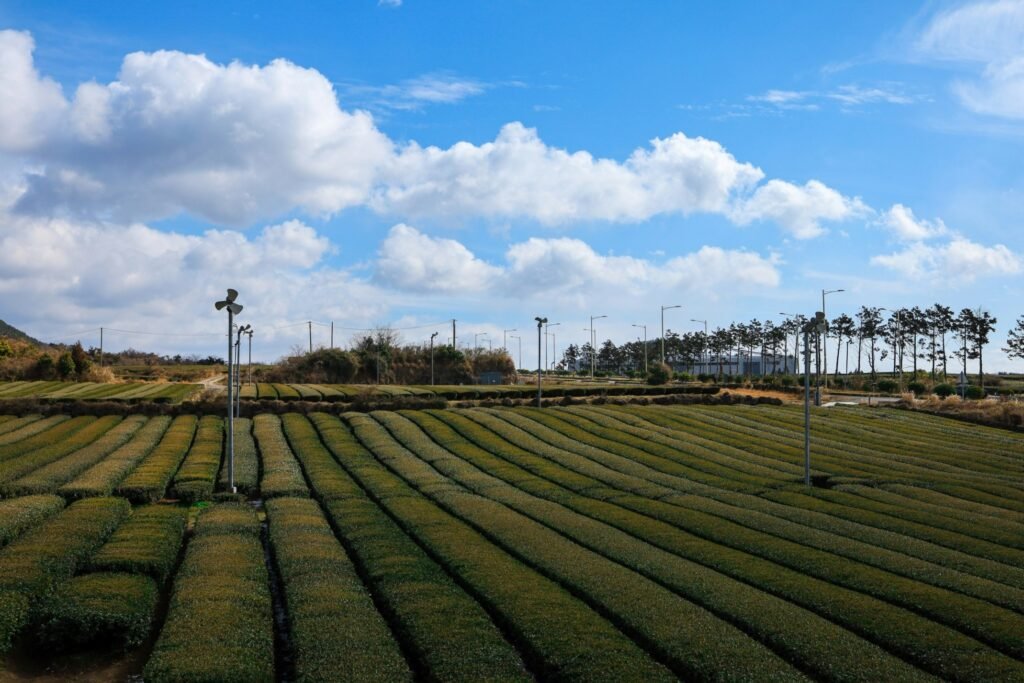
Introduction to Solar panels teas passage
The integration of renewable energy sources, particularly solar power, into agricultural practices has become increasingly crucial in the quest for sustainability. Solar energy is not merely an alternative; it is an essential component of the future of our food systems. Its role in agriculture, and specifically in tea farming, underscores the potential to transform how food is produced, processed, and consumed.
Agricultural sectors are among the top contributors to greenhouse gas emissions, largely due to reliance on conventional energy sources. By adopting solar panels, tea farmers can reduce their carbon footprint and embrace a cleaner, more sustainable method of cultivation. Solar energy provides a reliable and renewable source of power that can decrease dependence on fossil fuels while simultaneously increasing operational efficiency.
Moreover, the implementation of solar energy technologies can facilitate better management practices within tea cultivation. For example, solar panels can be employed to power irrigation systems, lighting, and even processing equipment. This not only minimizes energy costs but also enhances productivity, particularly in regions where conventional power sources are inconsistent.
As tea farming often takes place in remote areas, solar power can help overcome the challenges of energy supply, enabling farmers to harness the benefits of renewable energy without requiring extensive infrastructure investments. This approach not only promotes the economic viability of tea farming but ensures that environmental considerations are prioritized.
In essence, the utilization of solar panels in tea farming represents a critical advancement toward a more sustainable agricultural paradigm. By embracing solar energy, farmers can not only enhance their own operational success but also contribute to global efforts aimed at reducing dependency on non-renewable energy sources, promoting ecological balance, and ensuring food security for future generations.
The Impact of Climate Change on Tea Farming
Tea farming is significantly affected by climate change, presenting a range of challenges that threaten both the sustainability and productivity of this essential agricultural sector. Shifts in weather patterns have been observed, leading to erratic rainfall and prolonged dry spells, which directly influence the cultivation and quality of tea. These unpredictable climatic conditions demand that tea farmers adapt their practices to maintain yields and quality.
Moreover, rising global temperatures have serious implications for tea cultivation. Certain tea varieties thrive in specific temperature ranges, and even slight increases can disturb these delicate ecosystems. Higher temperatures lead to accelerated growth cycles, which may initially seem beneficial, but they can ultimately result in reduced flavor profiles and essential aroma compounds, diminishing the overall quality of the tea produced.
The need for sustainable practices has never been more critical in the face of these climate challenges. Tea farmers are increasingly called upon to implement eco-friendly agricultural methods that mitigate the adverse effects of climate change. For instance, adopting techniques such as agroforestry and using organic fertilizers can help enhance soil health and preserve biodiversity. However, these methods often require significant energy inputs, which can further complicate production.
In this context, solar panels serve as a transformative solution for tea farming. By harnessing solar energy, farmers can reduce their reliance on fossil fuels, thereby minimizing their carbon footprint. Additionally, solar panels can power irrigation systems and other farm machinery, ultimately increasing efficiency while promoting sustainable practices. As the impacts of climate change continue to unfold, the integration of solar energy into tea farming emerges as a promising avenue for future resilience and sustainability.
Understanding the Functionality of Solar Panels
Solar panels operate through a technology known as photovoltaics (PV), which plays a crucial role in converting sunlight into electricity. The process begins when sunlight strikes the solar cells, typically made of silicon. This exposure creates electron-hole pairs within the material. When these electrons are freed, they generate direct current (DC) electricity. The generated electricity does not directly power household appliances; instead, it must first be converted into alternating current (AC) electricity using an inverter.
The inverter is essential as it transforms the DC electricity into AC electricity, making it compatible with the existing power grid and commonly used in homes and businesses. Solar panels are usually grouped into arrays to increase the overall energy output, which is particularly important for larger operations like tea farming. By maximizing the energy capture, tea farmers can efficiently power various agricultural activities, including irrigation systems and processing facilities.
Moreover, solar panels can be designed to track the sun’s movement, optimizing their efficiency further. This tracking mechanism adjusts the angle of the solar panels throughout the day to ensure they receive maximum solar exposure. As a result, tea farms that utilize solar panels can harness renewable energy effectively, allowing for reduced operational costs and a lower carbon footprint.
Integrating solar technology into tea farming not only provides a sustainable power solution but also positions tea farms at the forefront of environmentally conscious agricultural practices. By employing solar panels, farmers can maintain productivity while contributing to the global effort of reducing greenhouse gas emissions.
Cost-Effectiveness of Solar Energy for Tea Farmers
The integration of solar panels into tea farming operations offers substantial economic benefits, making it an increasingly viable option for farmers. One of the primary advantages of adopting solar energy is the significant reduction in energy costs. By harnessing solar power, tea farmers can decrease their dependence on the grid and lower their electricity bills, which can be quite substantial given the energy demands of modern agricultural practices.
Moreover, governments are recognizing the value of renewable energy sources and are responding with various incentives and subsidies for farmers who opt to install solar panels. These incentives often include tax rebates, grants, and low-interest loans that can alleviate the initial investment burden. In some countries, programs are specifically tailored to support tea farmers in transitioning to renewable energy solutions, making solar energy even more appealing.
The long-term savings on electricity also contribute significantly to the overall economics of utilizing solar energy. Once installed, solar panels require minimal maintenance and can provide free energy for decades. As tea farms tend to operate continuously throughout the year, utilizing solar panels can lead to substantial long-term financial benefits. These savings can then be reinvested into the tea farming operations, enhancing productivity and sustainability.
Additionally, the installation of solar panels can empower tea farmers by providing them with energy independence. This independence from fluctuating energy prices can stabilize their operational costs and increase predictability in their budgeting. As tea farmers navigate the demands of climate change and fluctuating commodity prices, solar energy stands out as a reliable and cost-effective solution, reshaping the economic landscape for the tea industry.
The cultivation of tea has long been associated with various environmental challenges, particularly concerning greenhouse gas emissions. Traditional farming methods often rely on fossil fuels for machinery, transportation, and processing, thereby contributing significantly to the carbon footprint of tea production. However, the transition to solar power presents a compelling solution to mitigate these issues. By harnessing solar energy, tea farmers can effectively reduce their reliance on non-renewable energy sources.
Solar panels installed on tea farms can generate the necessary electricity for various operational needs, from irrigation systems to processing facilities. This shift not only decreases emissions from the combustion of fossil fuels but also minimizes the overall energy costs associated with tea farming. The reduced energy expenses empower farmers to reinvest in sustainable practices, further enhancing the environmental resilience of their operations.
Moreover, the integration of solar power into tea farming practices encourages a shift towards cleaner energy solutions throughout the agricultural sector. As more tea farms adopt solar panels, the collective impact on emissions can be substantial, contributing to national and global efforts to combat climate change. This transformation plays a vital role in creating a more sustainable model for tea production, where ecological welfare is prioritized alongside economic viability.
In addition to cutting emissions, solar power enhances energy independence for tea farmers. By producing their own electricity, they become less vulnerable to fluctuating energy prices and supply chain disruptions commonly associated with fossil fuel dependencies. Overall, harnessing solar energy facilitates a more efficient and environmentally-friendly approach to tea cultivation, marking a significant stride toward sustainability in the agricultural domain.
Building Resilience in Tea Farming with Solar Power
In the face of escalating climate-related challenges, tea farming is increasingly reliant on innovative solutions to ensure sustainability and productivity. Solar energy emerges as a critical component in this transformation, offering a diverse range of benefits to tea farmers. The integration of solar panels into tea cultivation practices not only provides a renewable source of energy but also enhances the resilience of tea farms against adverse weather conditions.
One of the most significant advantages of solar power in tea farming is its ability to mitigate the effects of unpredictable climate patterns. With the rise in temperatures and irregular rainfall affecting crop yields, solar energy systems can provide farmers with reliable electricity needed for irrigation and water management. By harnessing solar panels, tea farms can operate efficient irrigation systems, ensuring that crops receive adequate water during droughts, thereby securing consistent production levels.
Moreover, solar energy can facilitate the processing and storage of tea. Traditional methods of processing often rely on fossil fuels, which can be inconsistent and expensive. By utilizing solar power, farmers can power drying facilities, reducing dependence on external energy sources and lowering operational costs. This results in high-quality tea that meets market demands without the detrimental environmental impact associated with non-renewable energy sources.
Additionally, the adoption of solar technology in tea farming extends beyond environmental benefits; it also positively impacts the livelihoods of rural communities. By reducing energy costs and enhancing productivity, farmers can improve their economic stability. As more farmers invest in solar panels, the collective resilience of tea farming communities strengthens, laying a foundation for long-term sustainability and growth.
Success Stories: Solar-Powered Tea Farms Around the World
Across the globe, several tea farms have embraced solar energy, successfully demonstrating how solar panels can revolutionize the cultivation process. One remarkable case is the Nandi Hills Tea Estate in Kenya, known for its innovative approach to incorporating solar technology. The estate utilizes solar panels to power irrigation systems that enable efficient water management, thereby enhancing crop yield and reducing operational costs. As a result, they have reported a significant increase in productivity while also lowering their carbon footprint.
In Sri Lanka, the Dilmah Tea Company has adopted solar energy with great success. Their initiative not only powers the processing facilities but also supports the local community by providing solar energy training programs. This community engagement fosters sustainable practices within the tea industry and enhances local livelihoods. Solar panels at Dilmah have transformed how their operations are conducted, leading to reduced electricity expenses and enabling reinvestment into further sustainable practices.
Moreover, in India, the Sikkim tea farmers have implemented solar power to reduce dependence on traditional energy sources. Solar panels supply energy for various farming activities, including operating machinery and processing equipment. This transition has yielded multiple benefits, such as increased energy independence and lowered energy bills. Farmers have observed that with the installation of solar panels, not only has their efficiency improved, but they have also received favorable recognition for adopting green energy practices.
These case studies illustrate that adopting solar panels in tea farming is not just an environmentally friendly choice; it also leads to economic benefits that are essential for the long-term sustainability of tea cultivation. By harnessing solar energy, these farms are setting benchmarks for future generations and showcasing the positive impacts of innovative practices in agriculture.
Future Prospects for Solar Energy in Tea Farming
The integration of solar energy into tea farming presents significant future prospects for enhancing sustainable agricultural practices. As advancements in solar panel technology continue to emerge, the efficiency and practicality of solar energy systems are steadily improving. Innovative solutions, such as bifacial solar panels that capture sunlight from multiple angles and solar tracking systems that optimize energy capture, hold promise for boosting energy outputs while minimizing land usage.
Moreover, the declining costs of solar panels and installation have catalyzed the adoption of solar energy in farming. Farmers can foresee a future where initial investments in solar technology will yield long-term savings on energy costs and reduce reliance on fossil fuels. This shift is particularly relevant in the tea industry, where energy consumption can be significant during various stages of processing and production.
In addition to technological innovation, policy changes are likely to shape the future landscape of solar energy in tea farming. Governments worldwide are increasingly recognizing the importance of renewable energies and are implementing incentives to promote solar adoption. Programs such as tax rebates, grants, and subsidies for agricultural businesses investing in solar energy can facilitate the transition to cleaner energy sources in tea cultivation.
Furthermore, the global movement towards sustainability and environmental consciousness among consumers is pressuring tea producers to adopt more eco-friendly practices. By leveraging solar panels as a source of renewable energy, tea farmers can enhance their marketability and appeal to environmentally aware consumers.
In conclusion, the future prospects for solar energy in tea farming are optimistic. Through technological advancements and supportive policy environments, solar panels hold the potential to transform cultivation practices significantly, fostering sustainability and efficiency in the tea industry.
Conclusion: A Sustainable Future for Tea Farming
As the agricultural sector continues to confront the challenges of climate change and rising operational costs, the integration of solar panels in tea farming emerges as a transformative solution. The adoption of solar energy not only enhances the sustainability of tea cultivation but also significantly improves economic viability for farmers. By harnessing solar power, tea growers can reduce reliance on fossil fuels, thereby decreasing greenhouse gas emissions and contributing to a healthier environment.
The economic benefits of solar panels in tea farming are multifaceted. Firstly, solar energy can substantially lower electricity costs, allowing farmers to allocate funds toward other critical areas of their operations. Additionally, the implementation of solar technology in tea processing can increase efficiency and reduce labor costs, fostering a more productive farming operation. This transition to renewable energy sources aligns with global sustainability goals, providing manufacturers with a competitive edge in a market that increasingly favors eco-friendly practices.
Furthermore, investing in solar panels can enhance the overall resilience of tea farming systems. By diversifying energy sources, tea producers can ensure a more stable supply of energy, minimizing disruptions caused by energy shortages or price fluctuations. This greater energy independence allows farmers to focus on their core operations without the burden of external energy dependencies.
In conclusion, embracing solar power represents a critical step towards a sustainable future for tea farming. By incorporating solar panels into daily operations, tea growers not only enhance their economic prospects but also contribute positively to environmental conservation. It is imperative for the tea industry to continue exploring renewable energy options, ensuring both the longevity of their agricultural practices and the safeguarding of ecological resources for generations to come.